How to Cut Costs When Disposing of Bulky Waste Items
Disposing of large, unwanted items such as furniture, appliances, mattresses, or construction debris can be both challenging and expensive. Whether you are clearing out a home, remodeling, or simply downsizing, it's essential to learn the most efficient and economical ways to manage your bulky waste. In this guide, we provide comprehensive, actionable tips to cut costs when disposing of bulky waste items. Unlock savings, reduce your environmental footprint, and stay compliant with local regulations by following our expert advice.
Understanding Bulky Waste: What Qualifies as Bulky Items?
Before exploring cost-effective disposal methods, it's important to recognize what qualifies as bulky waste. Bulky waste items are typically those that cannot be collected via standard trash services due to their size, shape, or weight. Common examples include:
- Sofas and couches
- Old mattresses and box springs
- Refrigerators and washing machines
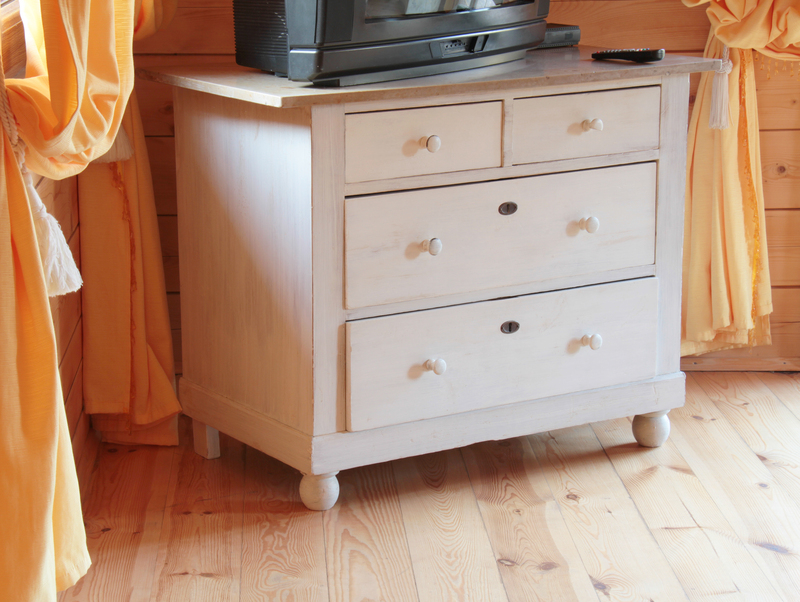
- Broken furniture (tables, chairs, dressers)
- Televisions and large electronics
- Carpets and rugs
- Yard debris (large branches or logs)
- Doors, windows, and other renovation debris
Understanding the type and quantity of your waste is a crucial first step toward finding the cheapest way to dispose of bulky items.
Why Bulky Waste Disposal Is Often Expensive
Bulky waste disposal typically incurs added costs due to:
- The need for specialized collection vehicles.
- Additional labor and time to remove, lift, and load items.
- Higher landfill or recycling facility processing fees.
- Special handling requirements for hazardous or e-waste.
If you don't plan ahead, rates for curbside collection, private haulers, or landfill visits can quickly add up. That's why knowing how to dispose of bulky waste on a budget is vital for homeowners and businesses alike.
Top Strategies to Cut Costs When Disposing of Bulky Waste Items
1. Reuse, Repurpose, or Donate First
- Evaluate whether your items can be donated. Charities such as Goodwill, Salvation Army, or Habitat for Humanity Restore often accept used furniture, appliances, building supplies, and mattresses in good condition.
- Consider listing usable items on community sharing groups (Freecycle, Facebook Marketplace) or local classifieds. You may find someone willing to collect your item for free.
- Repurpose old materials for DIY projects or home decor. Upcycling saves money on disposal and is environmentally friendly.
Donating is a cost-effective alternative to landfill disposal, and you may qualify for a charitable tax deduction.
2. Utilize Free Local Collection Events
- Many cities offer annual or seasonal bulky waste collection events at no charge.
- Check your local municipality's website for upcoming free drop-off or pickup dates.
- This is especially common for items like electronics, appliances, and yard waste.
Participating in these events helps reduce the cost of getting rid of bulky waste and is a community-based solution.
3. Schedule Municipal Curbside Pickup
- Most cities provide bulk item pickup for a nominal fee or even as part of regular waste services.
- Be sure to review local guidelines regarding what can be collected, size limits, and how items should be prepared.
- Bundle items together when allowed to save on additional pickup charges.
Advance scheduling and proper preparation streamline the process and help you save money on bulky waste disposal.
4. Self-Haul Bulky Items to Transfer Stations or Landfills
- If you have access to a pickup truck or trailer, self-hauling can be one of the cheapest ways to dispose of large items.
- Contact your local transfer station or landfill for their rates, hours, and disposal requirements.
- Combine multiple items into one trip to further minimize costs.
Don't forget to check if certain items (e.g., electronics, appliances) require separate disposal fees or must be recycled differently.
5. Rent a Dumpster or Skip Bin
- For large-scale cleanouts (remodeling, estate cleaning), renting a dumpster can be cost effective, especially if you split the cost with neighbors or friends.
- Choose the appropriate size for your needs to avoid overpaying.
- Shop around for the most competitive prices--some providers include a set tonnage or weight in their base price.
Dumpster rental requires sufficient space on your property and may require a permit for street placement.
6. Use Your Retailer's Haul-Away Program
- When purchasing new appliances or furniture, many retailers offer a free or low-cost removal service for your old item.
- This service is often included as an incentive and eliminates the need for separate bulky waste collection.
Always inquire about take-back programs before you buy new products to further reduce bulky item disposal expenses.
7. Engage a Local Junk Removal Service Wisely
- Professional junk haulers offer labor and transportation but compare prices, as rates can vary widely.
- Ask whether the company recycles, donates, or sustainably disposes of items; some may offer reduced rates for recyclable loads.
- If possible, organize a group pickup with neighbors to share the cost.
This hands-off approach saves time, but savvy planning ensures you don't overpay.
8. Break Down Items to Save Money
- Large items are often billed by size or volume. Disassembling furniture, cutting up mattresses, or flattening boxes can reduce the cost.
- Be sure to follow local guidelines for how items should be separated or bundled.
Reducing the volume of your trash often leads to tangible cost savings.
Pro Tips for Economical Bulky Waste Disposal
- Plan ahead and avoid last-minute pickups--rush jobs or emergency removals tend to cost more.
- Bundle items together for fewer trips or pickups (where local rules allow).
- Research and compare providers--seek out municipal, nonprofit, or private services with transparent pricing.
- Stay informed about local recycling programs, especially for appliances and electronics, which sometimes offer rebates or free disposal.
- Don't overlook hazardous waste rules: some items like refrigerators or televisions may require special handling, which impacts cost.
Environmental Considerations When Disposing of Large Items
Cutting costs shouldn't come at the expense of the environment. Landfilling large waste items contributes to greenhouse gas emissions and unnecessary resource depletion. Here's how you can dispose of bulky waste responsibly and affordably:
Donate or Sell Before Tossing
Placing furniture, appliances, and electronics back in circulation reduces waste and helps your community.
Prioritize Recycling
Your local recycling center may accept white goods (appliances), metals, mattresses, or wood. Scrap metal and some appliance components may even earn you a small payment, offsetting disposal fees.
Avoid Illegal Dumping
Abandoning items on the curb or in public areas is illegal in most cities and can result in costly fines.
Pitfalls to Avoid When Trying to Save on Bulky Waste Disposal
- Ignoring local regulations: Improper disposal can lead to fines and added costs.
- Overloading your vehicle: Safety and legal risks increase if you exceed weight or size limits when self-hauling.
- Paying for unnecessary services: Read the fine print to avoid hidden fees with junk removal or dumpster rental.
- Procrastinating: Waiting until a mandatory removal deadline often leaves you with the most expensive, last-resort option.

Frequently Asked Questions about Bulky Waste Disposal
Can I leave bulky items out for regular trash collection?
No, most municipalities require you to follow special procedures for bulky waste. Contact your waste management department for details on pickup schedules and fees.
What items are banned from transfer stations or landfills?
Hazardous materials such as batteries, paint cans, certain electronics, and refrigerants are typically not allowed. Ask your local authority or refer to posted guidelines.
How can businesses cut costs when disposing of bulky waste items?
Larger organizations may benefit from negotiated contracts, scheduled pickups, or partnerships with recycling companies.
Summary: Dispose Bulk Items Affordably and Responsibly
Disposing of bulky waste items requires thoughtful planning, but there are many ways to cut costs when disposing of bulky waste while still following local laws and protecting the environment. Start by reusing, donating, or selling what's possible. Take advantage of municipal events and clearly understand your community's pickup rules. Compare all available services and never underestimate the value of a little DIY labor. Stay proactive, stay informed, and make the most of available resources.
By adopting these strategies, you can save money, reduce hassle, and feel confident that your approach to bulky waste disposal is both smart and sustainable!
